
Why Next.js 13 is a Game-Changer
April 5, 2023

Israel Hernandez
I'm Israel , a developer, , father , and wanna be blogger who specialized in front-end development in Long Beach, CA. Currently a Senior at CSULB majoring in Computer Science
Next.js is a framework based on JavaScript and built on top of React, another popular library for building user interfaces. Next.js offers additional features and tools to facilitate the app-building process. One of the most significant benefits of Next.js is that it allows server-side rendering, which improves the app's performance and SEO. The framework also includes automatic code splitting, a built-in development server, and a toolchain for deploying your app to production.
With the release of Next.js 13, React's two identities - the UI library and the architecture - have been integrated. Next.js 13 includes an updated file routing system, a new directory, and a new layout structure that improves and simplifies the process of creating paths in the route. One of the most exciting changes in Next.js 13 is the expanded support for React server components, which can render React components on the server side, resulting in faster delivery, a smaller JavaScript bundle, and less expensive client-side rendering. The new version also includes async components, a fresh approach to data collection for server-rendered components, and a new JavaScript bundler called Turbopack. Overall, Next.js 13 offers a wide range of new features and tools that help to create faster, more efficient, and more effective web applications.
What's New in Next.js 13?
1. App/Directory for File-Based Routing
One of the notable features of Next.js is its file-based routing system which eliminates the need for configuring routes using a program like react-router. Instead, routes can be defined using the project's directory structure. By creating an entry point in a directory page, a new path can be established.
With the release of Next.js 13, the file routing system has been updated to include a new directory called the app directory. This new directory brings along a fresh layout structure and several additional features and improvements. As a result of this update, the directory structure has undergone some changes. Each path in the route now has its own dedicated directory with a page.js file serving as the content entry point in Next.js 13.
Differences in Routing
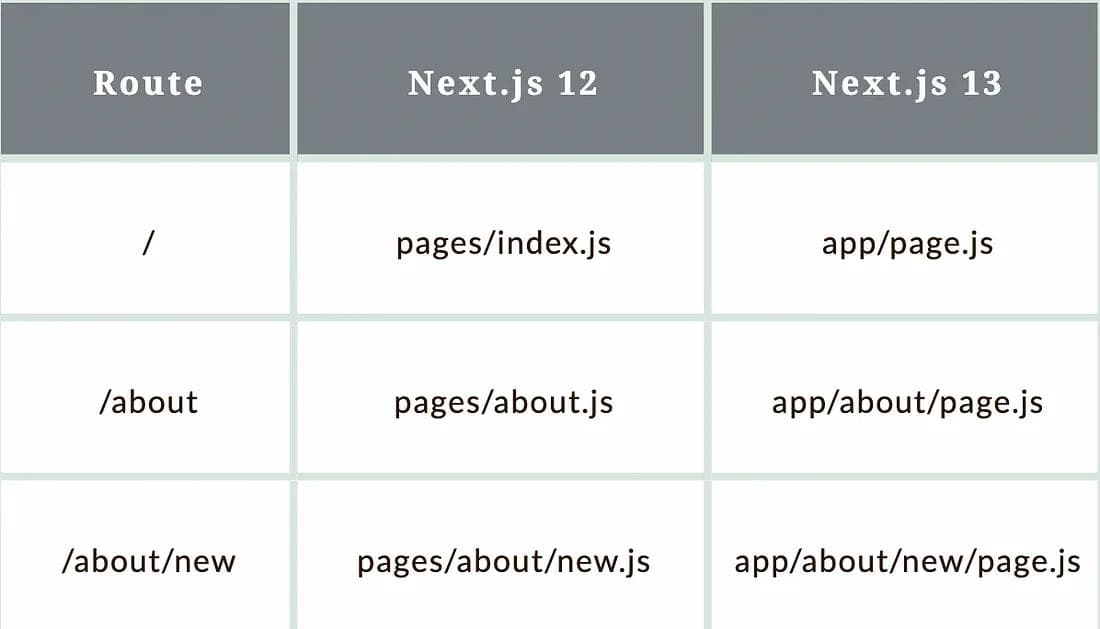
We can now include additional files in each path directory thanks to the new structure. Additionally, the page.js for a route, such as:
- layout.js — A path and its sub-paths system.
- loading.js — A React-based system for instant loading.
Suspense under the hood & error.js, a component is displayed if the primary component cannot load.
We can now co-locate source files inside our path directories because each path is now its directory.
2. React-Server Components
The latest version of Next.js brings with it an exciting new feature: enhanced support for React server components. These components enable React components to run and render on the server side, resulting in faster delivery, a smaller JavaScript bundle, and less expensive client-side rendering.
Server components are automatically cached during build-time or runtime depending on the route's data requirements, leading to improved performance. By combining server and client components, you can leverage server components for quickly loaded, non-interactive sections of your program, while using client components for interactions, browser APIs, and other functionalities.
3.Async Components & Data Fetching
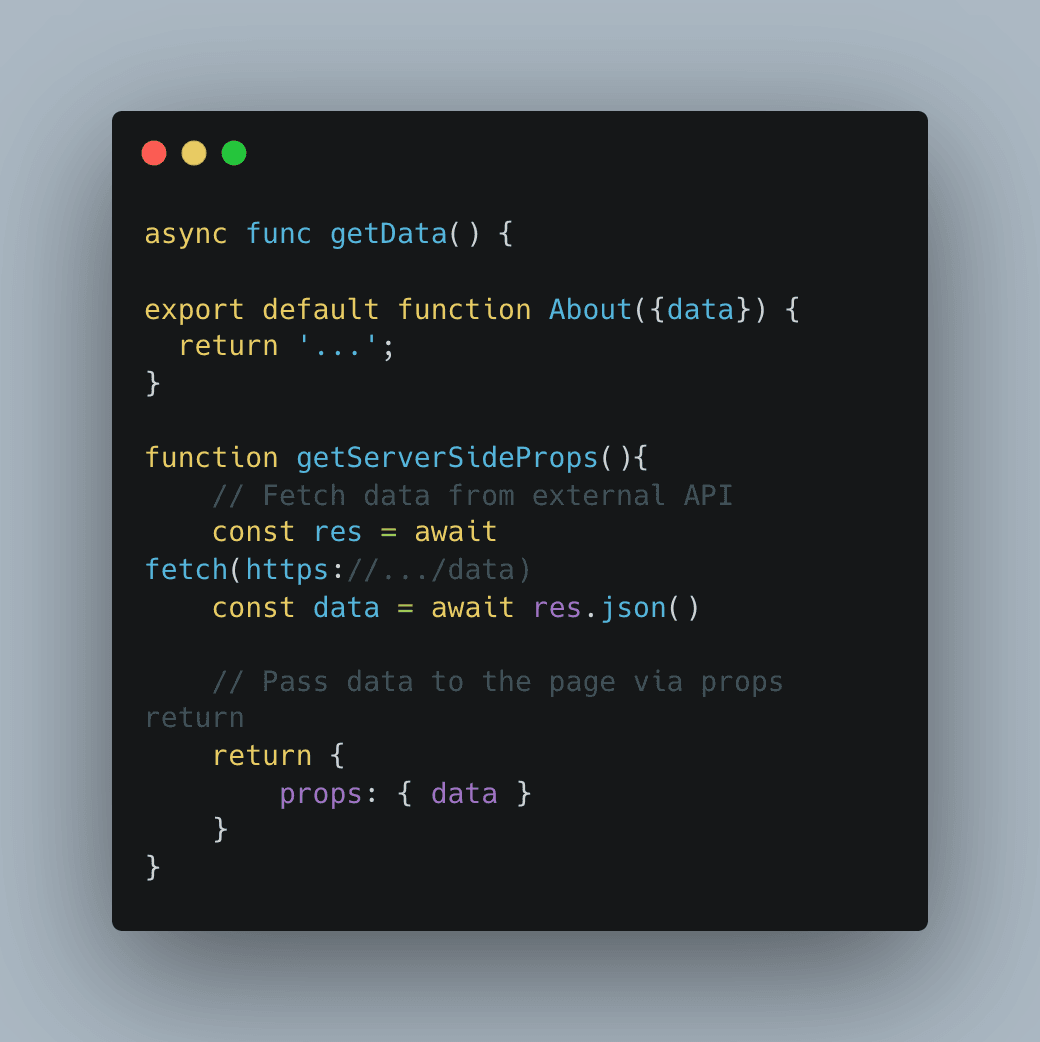
Next.js 13 introduces async components as a new way to collect data for server-rendered components. With async components, we can use Promises with async and await to render systems. If we need to request data from an external service or API that returns a Promise, we can declare the component as async and wait for the response.
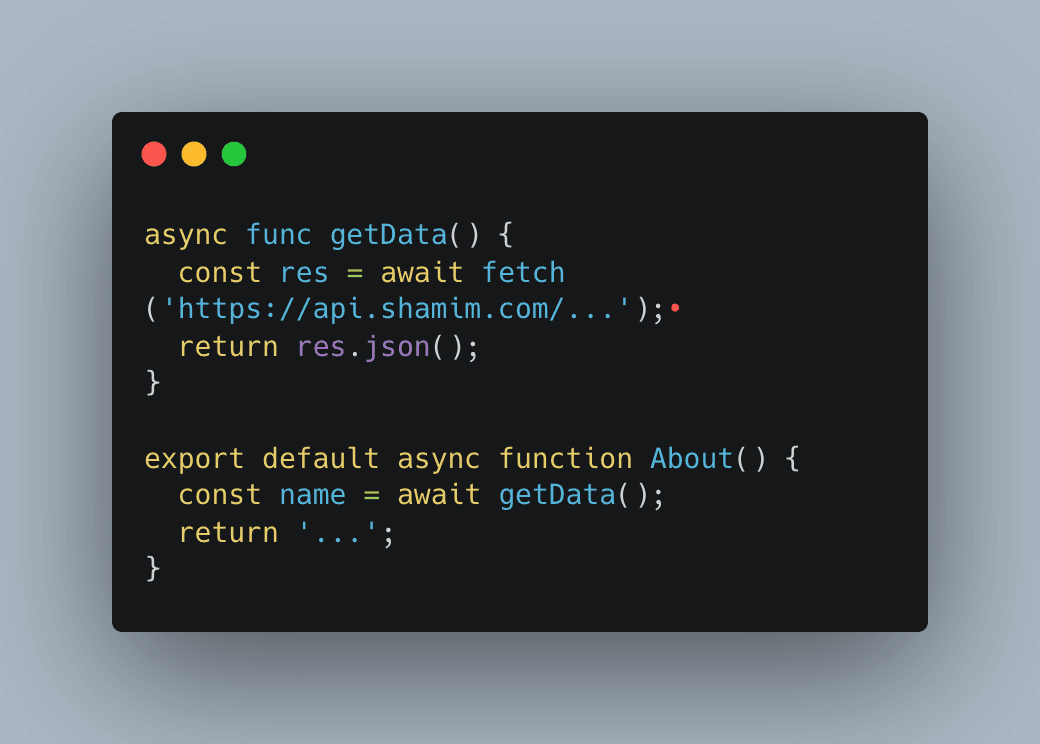
vs Next.js 12 method